a guide to becoming an elm tree
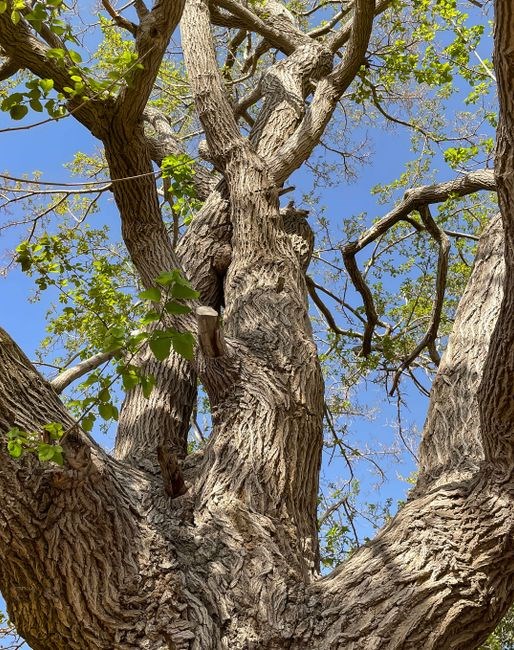
The History of Elm Trees
Elm trees, native to temperate zones, first appeared in the Paleogene period. Their sturdy canopies shaped medieval European streets, while in America, elms were planted along railroads and parks, symbolizing growth and resilience before Dutch elm disease challenged their legacy. Their legacy thrives daily.!!!
Origins and Native Regions
Elm trees (Ulmus spp.) trace their lineage back to the early Cenozoic era, flourishing across the Northern Hemisphere. Their earliest fossils, found in the Eocene strata of Europe and North America, reveal a lineage that adapted to temperate climates with moderate rainfall. Native to temperate regions of North America, Europe, and Asia, elms historically dominated woodlands, riverbanks, and hedgerows. In North America, species such as the American elm (Ulmus americana) and the slippery elm (Ulmus rubra) spread across the eastern seaboard, thriving in moist, well‑drained soils. European elms, including the English elm (Ulmus minor) and the wych elm (Ulmus glabra), were integral to medieval landscapes, providing shade along city streets and serving as ornamental specimens in royal gardens. Asian elms, like the Chinese elm (Ulmus parvifolia), adapted to diverse environments from coastal plains to mountainous terrains. The adaptability of elm species to a range of soil types and climatic conditions contributed to their widespread naturalization and subsequent cultivation worldwide. Today, elms continue to be valued for their ecological role in forest succession, their aesthetic appeal in urban planning, and their cultural significance in folklore and literature. Their resilience and historical distribution underscore the importance of preserving genetic diversity to safeguard these iconic trees against disease and climate change. In addition, the genetic diversity among elm species has been a focus of conservation programs, especially after the devastating impact of Dutch elm disease in the 20th century.
Historical Uses in Architecture and Landscaping
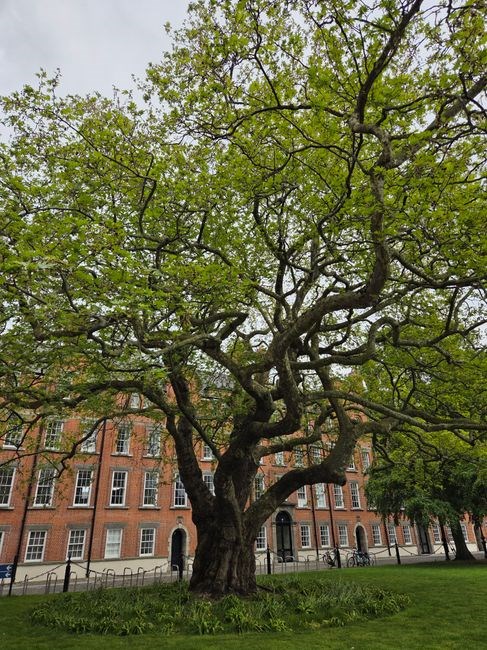
Elm trees have long been prized for their structural strength and graceful silhouette, making them a staple in both historic architecture and modern landscape design. In the 18th and 19th centuries, architects favored elms for pergolas, colonnades, and support beams in grand estates, leveraging the species’ straight trunks and dense, interlacing branches to create airy, shaded corridors. The elm’s bark, resistant to rot when properly treated, was often used for roofing and flooring in rural cottages, providing durability and a rustic aesthetic. In urban settings, elm saplings lined streets of European capitals, forming living boulevards that moderated temperature and filtered air, a practice that influenced early city planning in places like Paris and London. The tree’s broad canopy and flexible limbs also made it a popular choice for creating natural shade structures in public parks, where its leaves offered cool respite during hot summers. In the United States, the American elm became a symbol of civic pride; many town squares and courthouse grounds feature mature elms, their sweeping canopies framing historic buildings. Landscape architects incorporated elms into formal gardens, using their symmetrical growth to frame pathways and water features, while their dense foliage provided privacy screens for residential estates. The enduring presence of elms in cityscapes underscores their role as living monuments, offering shade, improving air quality, and connecting communities across generations. Their roots anchor the soil, fostering life and.
Elm Tree Biology and Anatomy
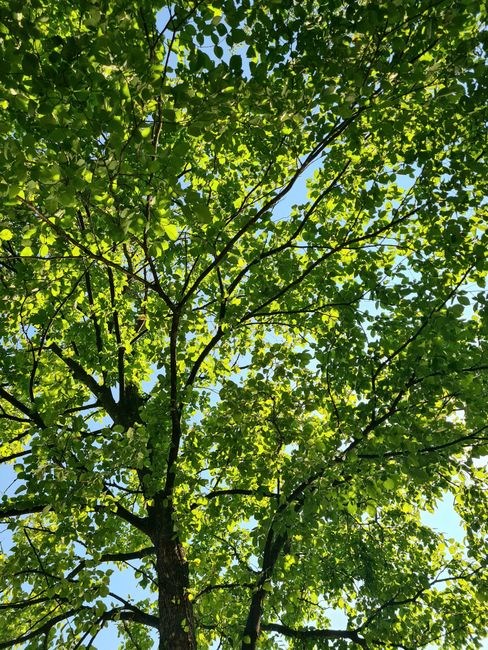
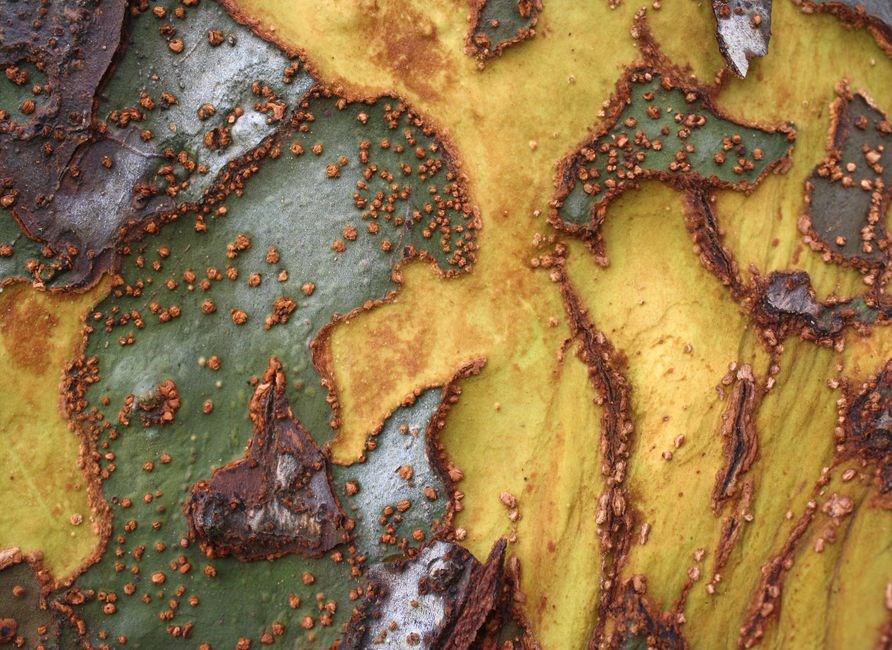
Elms possess fibrous bark, compound leaves, and a taproot system that anchors them in loamy soils. Their xylem vessels efficiently transport water, cambium layers enable growth rings. The species’ photosynthetic leaves convert light into energy, canopy growth. and thrive.
Leaf Structure and Photosynthesis
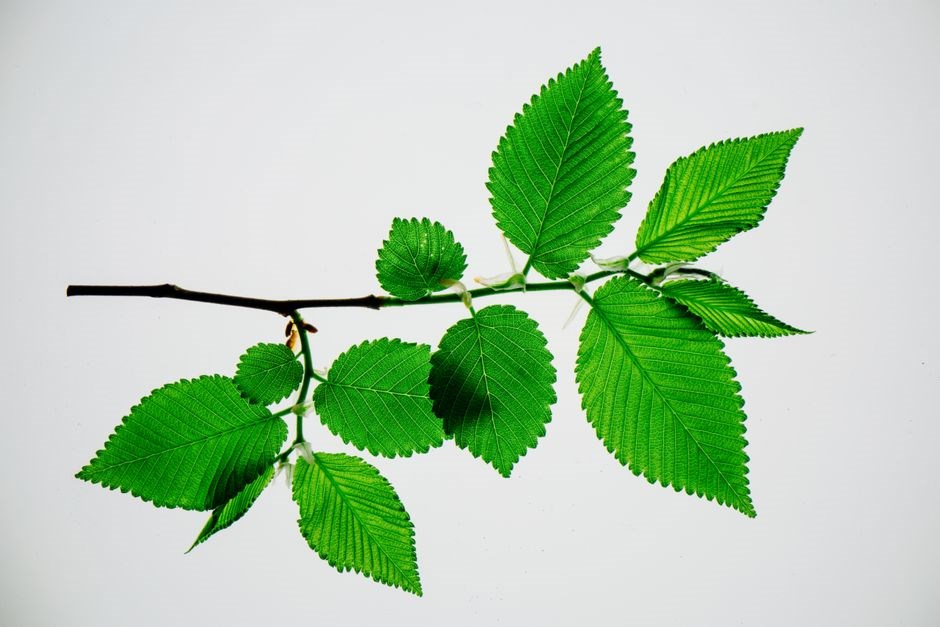
Elm leaves are pinnately compound, typically 4–8 pairs of leaflets arranged along a central rachis. Each leaflet measures 2–6 cm long, with a serrated margin and a glossy, dark green surface that maximizes light capture. The leaf blade is thin and flexible, allowing it to bend with wind while maintaining photosynthetic efficiency. Beneath the epidermis, chloroplasts are densely packed in mesophyll cells, enabling high rates of light absorption. The stomatal pores, distributed mainly on the abaxial side, regulate gas exchange, balancing CO₂ uptake with water loss. During photosynthesis, light energy is converted into chemical energy via the photosystems embedded in thylakoid membranes. The light-dependent reactions produce ATP and NADPH, which feed the Calvin cycle in the stroma, fixing atmospheric CO₂ into sugars. Elm photosynthetic pathways are C3, optimal in moderate temperatures and well-watered conditions. This photosynthetic strategy supports rapid leaf expansion and contributes to the tree’s vigorous growth and canopy density. Additionally, leaf abscission timing is synchronized with seasonal changes, ensuring that new leaf production aligns with optimal light availability. The combination of leaf morphology and photosynthetic biochemistry underpins the elm’s ecological success across diverse habitats. Its adaptive leaf design enhances photosynthetic output, sustaining growth year-round. daily.!!
Root Systems and Soil Preferences
Elm roots form a dense, fibrous network that spreads laterally up to 3–4 m from the trunk, while a shallow taproot anchors the tree in the upper 30 cm of soil. This architecture allows elms to absorb water and nutrients efficiently, especially in disturbed urban soils. The root system is highly adaptable; it can tolerate compacted substrates, but prefers loose, well‑drained loam or sandy loam with a pH of 5.5–7.5. Moisture retention is critical during establishment, yet the roots can withstand brief droughts once mature. In forest settings, elms develop extensive lateral roots that support canopy stability and reduce erosion. Urban planting often requires root barriers to prevent damage to sidewalks and foundations; these barriers should be placed 30–45 cm from the trunk and extend 1–1.5 m below the surface. Soil amendments such as compost or peat moss improve texture and organic matter, enhancing root growth. Regular mulching keeps the root zone cool and moist, while avoiding excessive compaction. Elm roots also exhibit a symbiotic relationship with mycorrhizal fungi, which increases phosphorus uptake and overall vigor. Proper soil preparation, including pH adjustment and nutrient balancing, ensures that the root system can thrive, supporting the tree’s long‑term health and resilience against pests and environmental stressors. daily.!! In addition, elm root systems form mycorrhizal networks that extend beyond the root zone, facilitating nutrient exchange with neighboring plants and contributing to ecosystem stability in and urban public landscapes.
Choosing the Right Elm Species for Your Environment
Selecting the ideal elm for your locale hinges on climate, soil, and space. Hardy varieties like American, Field, and Slope elms thrive in zones 3–9, while ornamental Dutch or Weeping elms suit cooler, shaded sites. Evaluate shade tolerance, root spread, and disease resistance before planting. Ideal choice aids.
Climate Suitability and Hardiness Zones
Elms are among the most adaptable temperate trees, yet their success hinges on matching species to local climate. The USDA Hardiness Zone map, ranging from Zone 3 (−40 °F) to Zone 11 (above 70 °F), guides selection. American Elm (Ulmus americana) tolerates Zones 3–9, thriving in cold, humid regions with moderate winter lows. Field Elm (Ulmus minor) prefers Zones 4–8 and is prized for its drought tolerance and rapid growth. Slope Elm (Ulmus slope) is a hardy choice for Zones 3–7, offering resistance to cold snaps and heavy snowfall. In warmer climates, the smooth‑barked Dutch Elm (Ulmus americana ‘Exoniensis’) and the ornamental Weeping Elm (Ulmus americana ‘Pendula’) perform best in Zones 7–9, where they enjoy mild winters and abundant summer moisture. For coastal areas, the salt‑tolerant Black‑belly Elm (Ulmus americana ‘Black‑belly’) can withstand saline winds and high humidity, making it ideal for Zones 8–10. When planning a planting, consider not only the minimum winter temperature but also summer heat, precipitation patterns, and potential for frost pockets. A species that matches the zone’s average extremes will reduce stress, improve growth, and lower maintenance. Additionally, microclimates—such as south‑facing slopes, alleyways, or urban heat islands—can shift the effective zone upward by several degrees, allowing a broader selection of elms. Finally, always verify local extension recommendations, as regional trials often refine hardiness estimates and reveal disease resistance nuances specific to your area. By aligning elm choice with precise climate data, you maximize longevity, health, and aesthetic impact in your landscape.
Soil pH and Nutrient Requirements
Elm trees thrive in well‑drained loam with a neutral to slightly acidic pH of 6.0–7.0. Slightly alkaline soils (pH > 7.5) can cause iron chlorosis, while overly acidic soils (< 5.5) may limit uptake of essential micronutrients. A balanced, slow‑release fertilizer containing 10–15 % nitrogen, 5–10 % phosphorus, and 5–10 % potassium supports vigorous canopy growth and root development. Micronutrients such as iron, manganese, zinc, boron should be monitored; deficiencies often manifest as interveinal chlorosis or reduced leaf expansion. Organic matter—compost, leaf mulch, or well‑rotted manure—improves soil structure, enhances cation exchange capacity, and supplies trace elements. Soil tests every 3–5 years are recommended to detect shifts in pH or nutrient depletion, especially after heavy irrigation or fertilization. When pH deviates from the optimal range, lime can raise acidity, and sulfur can lower alkalinity, but adjustments should be gradual to avoid shock. In urban settings, compacted soils may benefit from aeration and the addition of biochar to increase porosity and nutrient retention. Maintaining a consistent moisture regime—neither waterlogged nor drought‑stressed—ensures that nutrients remain bioavailable and roots can absorb them efficiently. By aligning soil chemistry with elm physiological needs, growers can promote healthy growth, disease resistance and long‑term vigor.
To sustain optimal growth, mulch with shredded bark or leaf litter, maintaining a 2‑inch layer that conserves moisture and suppresses weeds. Regular soil testing every 3–5 years keeps pH balanced and nutrients at optimal levels!!
Planting and Care Techniques
Planting elms in spring or fall ensures root establishment. Dig a hole twice the root ball diameter, mix native soil with compost. Water deeply, mulch with bark to retain moisture, and avoid overwatering. Prune dead limbs annually to promote airflow and reduce disease risk. Inspect for pests, treat organically so.
Optimal Planting Seasons and Depth
Choosing the right planting season and depth is crucial for elm establishment. In temperate regions, late winter or early spring, when the soil is still moist but the ground is not frozen, provides optimal root growth conditions. Avoid planting during the hottest months, as high temperatures can stress young roots and reduce survival rates. When selecting depth, the hole should be twice the width of the root ball, with the top of the root ball slightly above soil level. This promotes upward growth and prevents waterlogging. After planting, backfill with a mix of native soil and organic compost to improve drainage and nutrient availability. Water immediately after planting, then maintain a consistent moisture level for the first 2–3 weeks. Mulching with bark or wood chips around the base helps retain moisture, suppress weeds, and regulate soil temperature. Over time, monitor the tree for signs of stress such as leaf scorch or wilting, and adjust watering accordingly. Proper planting depth and timing lay the foundation for a healthy, long‑lived elm that can thrive in its environment. Additionally, planting during a period of moderate weather reduces shock and allows the tree to establish a robust root system before the onset of extreme temperatures. Using a shallow, wide hole encourages lateral root spread, which improves stability and nutrient uptake. For urban settings, consider soil compaction and use a deep, narrow trench to accommodate root expansion without disturbing surrounding infrastructure. Monitoring soil moisture and pH, and applying balanced fertilizer, helps elms build robust roots that resist drought and nutrient stress for growth now Finally, record planting details—date, depth, soil amendments—to guide care now
Pruning Practices for Health and Shape
Pruning keeps elms healthy, safe, and attractive. Work in late winter or early spring before bud break, when sap flow is low. Use sharp tools for clean cuts that heal quickly. Remove dead, damaged, or diseased branches first; these harbor pests and weaken the tree. Cut to a healthy bud or lateral branch, leaving a 45‑degree angle to promote water runoff.
Shape the canopy by thinning upper branches that cross or crowd. Elms form a broad, rounded crown; keep the central leader straight and support competing shoots. Remove no more than 10 % of the canopy each year to avoid stressing the tree. Make clean cuts just above a bud or branch collar, and avoid leaving stubs that can rot.
For safety, prune branches that pose a hazard to people or property. Cut from the top down, ensuring remaining branches can support the weight. If sudden breakage has occurred, consult a certified arborist for a risk assessment.
After pruning, apply a small amount of commercial wound dressing only to large cuts; most minor wounds heal without treatment. Monitor the tree’s response: healthy elms show new growth within months. If browning, wilting, or pests appear, adjust the strategy and consider supplemental fertilization or irrigation.
Schedule post‑pruning fertilization in early summer with a balanced slow‑release fertilizer at 1 lb per 100 ft² of canopy. Keep soil slightly moist but not waterlogged, and mulch 2–3 inches around the base to conserve moisture and suppress weeds.
Keep a pruning log: record dates, cuts, and observations. This helps track growth, detect early disease signs, and plan future work. A well‑pruned elm will have a strong, symmetrical form, reduced pest pressure, and a longer lifespan.
Enjoy the shade and watch it grow. It will stand tall.
Forever Always
Threats, Conservation, and Future of Elm Trees
Elm survival hinges on disease control, habitat protection, and climate‑smart planting. Breeding programs target resistance to Dutch elm disease, while urban green‑space policies safeguard mature specimens. Public education and research funding shape a resilient future. Ongoing research will guide restoration.!!
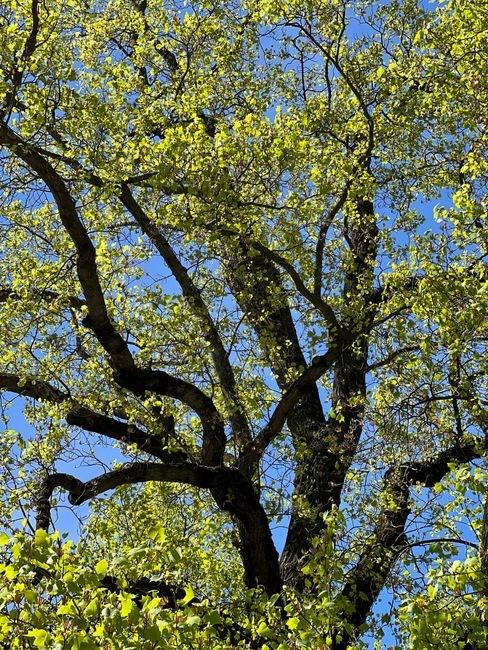
Urban expansion fragments elm habitats, reducing genetic diversity. Concrete heat islands elevate temperatures, stressing trees and accelerating leaf senescence. Air pollutants such as ozone, sulfur dioxide, and nitrogen oxides damage leaf tissues, impair photosynthesis, and weaken defenses against pathogens. Soil compaction from heavy traffic limits root growth, while runoff carries heavy metals and hydrocarbons that leach into root zones. Light pollution alters phenology, causing earlier bud break. Noise pollution disrupts seed dispersal by birds. Mitigation strategies include planting buffer zones, using permeable pavements, and enforcing air quality regulations. Urban planning that integrates green corridors preserves connectivity, allowing gene flow between elm populations. Public awareness campaigns reduce littering and vandalism, further protecting urban elms.
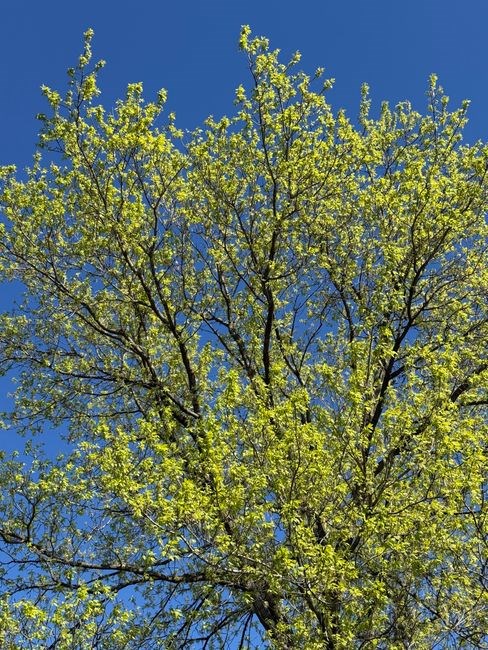
Municipal budgets earmark funds for elm research and restoration. University partners conduct genetic studies, while citizen science apps track tree health in real time. These efforts embed resilience, elms.!
Municipal budgets earmark funds for elm research and restoration. University partners conduct genetic studies, while citizen science apps track tree health in real time. These efforts embed resilience, elms.
Municipal budgets earmark funds for elm research and restoration. University partners conduct genetic studies, while citizen science apps track tree health in real time. These efforts embed resilience, elms.
Municipal budgets earmark funds for elm research and restoration. University partners conduct genetic studies, while citizen science apps track tree health in real time. These efforts embed resilience, elms.
Municipal budgets earmark funds for elm research and restoration. University partners conduct genetic studies, while citizen science apps track tree health in real time. These efforts embed resilience, elms.
Conservation Efforts and Breeding Programs
Conservation efforts for elms combine seed‑banking, breeding, and policy. Global programs like the International Elm Conservation Alliance (IECA) exchange disease‑resistant germplasm, while national initiatives in U.S., Canada, and Europe fund field trials that assess drought tolerance, pathogen resistance, and growth habit. Marker‑assisted selection and genomic sequencing identify loci linked to Dutch elm disease immunity, accelerating precision breeding. In situ projects plant resistant hybrids in urban parks, roadside medians, and natural reserves, creating living laboratories that monitor long‑term performance under variable climatic stresses. Citizen science platforms record phenological data, pest incidence, and canopy health, feeding adaptive management models. Funding streams from governmental grants, philanthropic foundations, and corporate sponsorships sustain seed‑collection drives, nursery production, and public outreach. Educational workshops train arborists and homeowners on selecting, planting, and caring for resilient elm varieties, ensuring future generations inherit robust, ecologically valuable trees. Policy frameworks such as the EU Biodiversity Strategy 2030 and the U.S. National Forest Service’s Tree Health Initiative mandate elm conservation in land‑management plans. Legislation restricting harmful pesticides encourages integrated pest management, benefiting elm health. International trade agreements now include provisions for safe germplasm exchange, reducing pathogen spread. Digital databases catalog genetic lineages, enabling researchers to trace origins and monitor genetic drift. Outreach campaigns using social media, local festivals, and school curricula raise public awareness of elms’ ecological role, fostering stewardship. By combining science, policy, and community action, conservation efforts aim to secure a future where elms thrive in natural and urban landscapes. They inspire hope for tomorrow now